
Artisan Ink
June 1, 2026
Chiang Mai has become one of the most sought-after tattoo destinations in the world — and it's not hard to understand why. Exceptional artists, a genuinely unhurried pace, and a price point significantly below comparable work in the West have made it a natural stop for serious collectors and first-timers alike. But as with anything permanent, how well the experience goes depends almost entirely on the decisions you make before you ever sit down in a chair.
This guide is for everyone planning to get tattooed in Chiang Mai — whether you've got a detailed reference image or just a vague feeling you want to turn into something permanent. I've worked in this industry long enough to know the questions worth asking, the details worth protecting, and the mistakes worth avoiding. Most of them are simple. None of them are obvious until someone walks you through them.
Why Chiang Mai for Tattoos?
This question gets asked a lot, and the honest answer is: because the talent here is genuinely world-class, and the environment around tattooing is unlike almost anywhere else.
Bangkok has a larger scene. Phuket and Koh Samui have more tourist footfall. But Chiang Mai has depth. The creative culture here — across art, craft, design — has produced a generation of tattoo artists who work with a level of intentionality and skill that stands up to comparison with the finest studios in London, New York, or Tokyo. And the city's pace, its relative calm, creates conditions for the kind of focused, unhurried creative work that great tattooing requires.
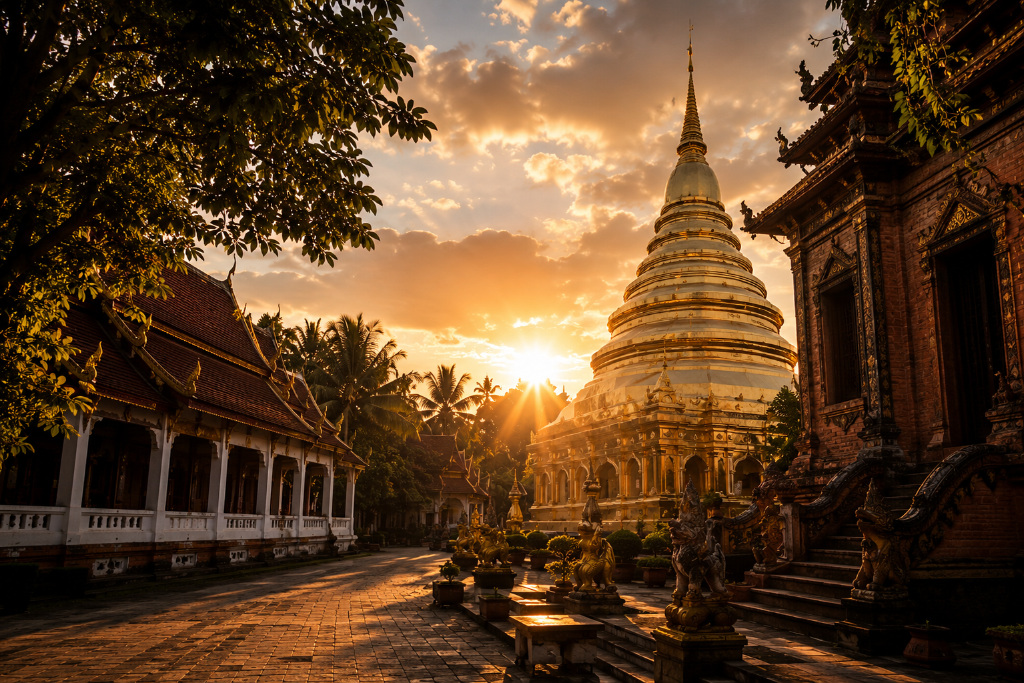
For international clients, Chiang Mai also makes practical sense. You can plan several days around your sessions, give the work proper healing time before you fly, and experience one of Thailand's most genuinely beautiful cities in the process. Tattoo tourism here isn't incidental — for many visitors, it's the primary purpose of the trip.
Choosing a Tattoo Studio in Chiang Mai
This is where most decisions are made or broken. The range of tattoo studios in Chiang Mai is vast — from tourist-strip flash shops operating out of street-facing windows, to fully private, appointment-only studios with international reputations. Both exist on the same street sometimes. Knowing how to differentiate them matters.
What to Look For
Portfolio consistency is the first indicator. Not a curated highlight reel on Instagram — a portfolio that shows a real range of work across different clients, styles, and scales. Ask whether the work you're looking at is genuine — drawn and executed by the artist, not copied from someone else's design.
Studio environment matters more than most clients realise. How a space is maintained tells you a great deal about how the people running it approach their work. A clean, calm, organised studio reflects the mindset you want tattooing your body. A chaotic, crowded, high-volume environment often reflects the priorities you don't want.
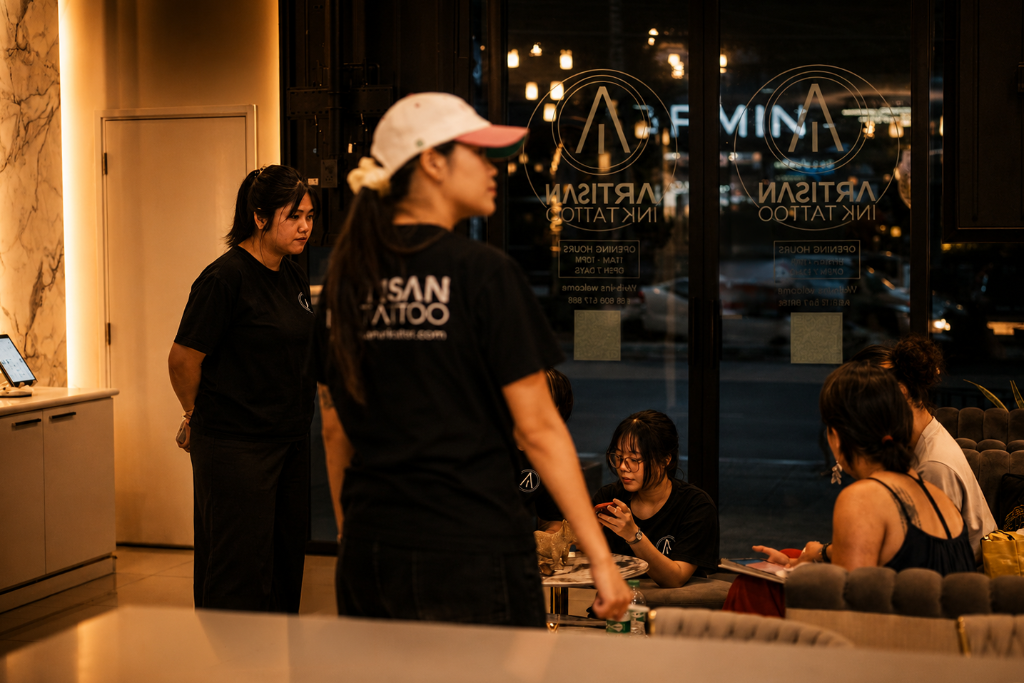
At Artisan Ink Tattoo Studio on Nimmanhaemin Road, we operate from private suites specifically because we believe the environment is part of the experience. No open-plan floors. No strangers watching. The session is yours.
What to Avoid
Be wary of studios that give you an immediate price without understanding your design. Quality custom work requires a conversation before a number. A studio that quotes instantly — before asking about complexity, size, placement, style — is either guessing or not actually planning to do custom work.
Walk past anywhere that can't answer hygiene questions directly. More on that below.
Safety and Hygiene — The Non-Negotiables
I'll say this plainly: hygiene standards in Thailand are not universally regulated to western clinical levels. That's not a criticism — the same is true in most countries, including plenty of Western ones. It simply means you cannot assume a studio meets the standards you'd expect at home. You have to verify.
Here is what you should be able to see and confirm at any reputable studio:
- Single-use, sterile needles opened in front of you from sealed packaging — every session, no exceptions.
- Medical-grade surface sterilisation between every client. Work surfaces, chair surfaces, arm rests.
- Single-use ink caps. Ink decanted into small disposable caps for each session — never used across clients.
- Premium imported inks. Not unbranded products from unknown sources.
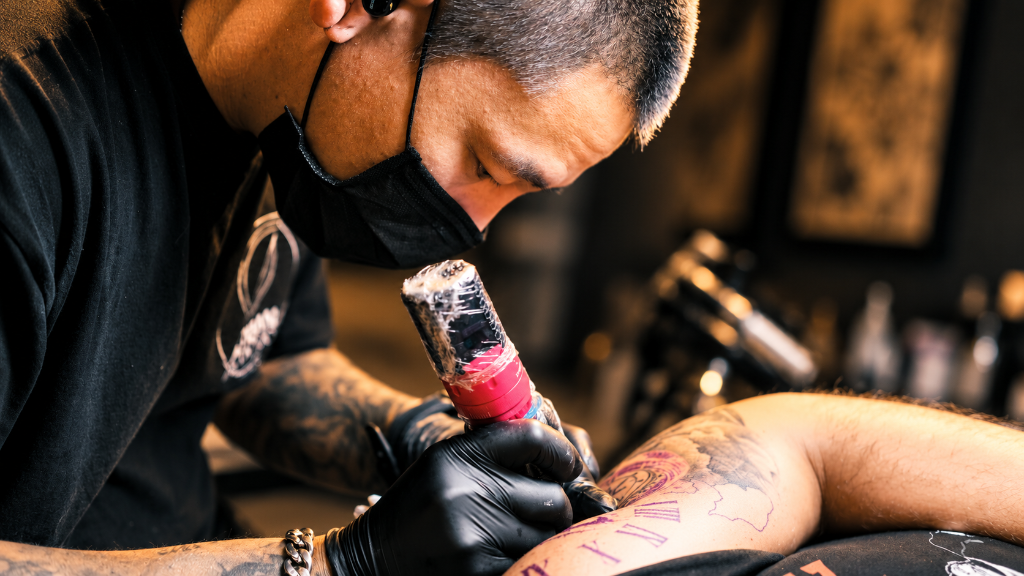
- Artist hand protection changed as required throughout the session.
A studio that operates to proper hygiene standards will answer these questions without any discomfort. Hesitation or evasiveness is a signal worth taking seriously. Getting a tattoo is a skin-penetrating procedure. The standards matter.
Our own hygiene protocols are fully western-standard and visible throughout every session. We discuss them openly because we believe clients deserve to know exactly what they're agreeing to.
Choosing the Right Artist
The right artist is not simply the most skilled — it's the right pairing between their strengths and your vision. Every accomplished tattoo artist has a body of work they've built over years. That work reflects real preferences: scale, complexity, style, approach to composition. You want an artist whose natural strengths align with what you're trying to create.
Spend time with portfolios. Don't just look at the images you love — look at whether the artist does that kind of work consistently, across multiple pieces, on different clients. A single exceptional piece can be luck or a one-off commission. Consistent quality across a body of work is skill.
When you've identified an artist whose work resonates, read any reviews or testimonials available — not just about the quality of the tattoo, but about the experience itself. How they communicate. How they handle nervousness. Whether the process feels collaborative or transactional. You'll spend meaningful time with this person in a vulnerable state. The human qualities matter as much as the technical ones.
Browse our full gallery to see work across styles and artists, and reach out if you'd like to discuss which of our team would be the best fit for your specific idea.
Understanding Pricing in Chiang Mai
One of the genuine advantages of getting tattooed in Chiang Mai is the price point. Work that would cost ฿25,000–฿60,000 at a comparable studio in London or Sydney is achievable here for significantly less. That said, serious custom work at a premium studio is not cheap — and treating it like a bargain opportunity usually produces bargain results.
At reputable studios, pricing is typically structured around hourly rate or a piece rate based on complexity and scale. You should expect an honest estimate during consultation, not a quote before any conversation has happened.
What affects price:
- Size. Larger pieces take more time. More time means more cost.
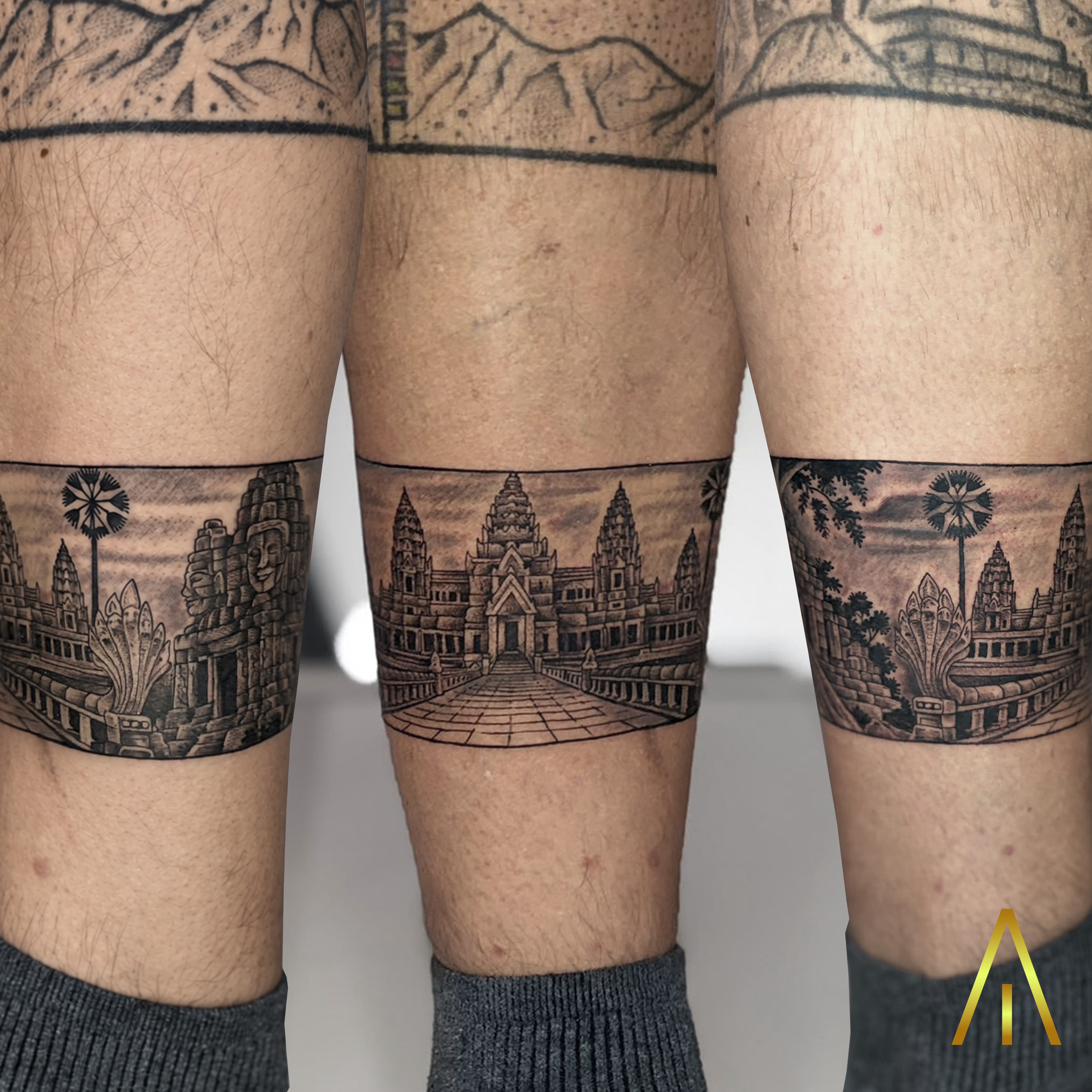
- Complexity. Detailed micro-realism requires more hours and a higher skill premium than simple linework.
- Artist level. More experienced, more in-demand artists command higher rates — appropriately.
- Number of sessions. Large pieces are done across multiple sessions. Each is priced accordingly.
Be cautious of studios that are significantly cheaper than the market. Tattooing is skilled labour. If the price seems impossible, something is being cut somewhere — usually quality, time, or hygiene.
Booking and the Consultation Process
Booking your tattoo in Chiang Mai — especially for custom work — should begin well before you arrive. The best artists are typically booked out weeks in advance. During high season (November through February), popular artists may be booking a month or more ahead. Walk-in availability at premium studios is limited by design.
The consultation is not a formality. It's the most important part of the whole process. A good artist will use this time to understand not just the design, but the meaning behind it — why you want this piece, what it represents, how you want it to feel in ten years. They'll discuss placement honestly, including alternatives if they believe a slight adjustment will significantly improve the result.
Come to your consultation with references — not because your artist will copy them, but because they help communicate aesthetic direction. Mood, scale, density, feeling. Even a collection of unrelated images that share a certain quality you're drawn to tells your artist something useful.
Ready to begin? Book a consultation with us here — we'll guide you through the process from the very first conversation.
The Design Process — What to Expect
At a proper custom studio, your design doesn't exist yet when you walk in. It's created specifically for you — for your body, your story, your aesthetic. This takes time. Usually one to two weeks from consultation to a first draft. More for complex pieces.
You'll have the opportunity to review, refine, and provide feedback before anything is finalised. Don't rush this part. A great tattoo is made during the design process, not during the session. The session is simply the execution of a decision already made well.
A few things worth knowing:
- Revisions are normal. Good artists expect them and build time for them.
- The stencil applied on the day is your final check. Nothing is permanent until ink is in skin.
- Small adjustments are always possible — a slightly different angle, a slightly longer line. Ask.
Healing While Travelling in Thailand
This is where a lot of tattoo trips go wrong — not during the session, but in the days and weeks after. Travelling with a fresh tattoo requires real discipline, and Thailand's climate presents specific challenges that clients don't face at home.
Sun Exposure
Direct sun on a fresh tattoo is damaging. UV radiation breaks down ink before it has fully set in the skin. This isn't a minor inconvenience — significant sun exposure in the first two weeks can permanently affect the clarity and vibrancy of your tattoo. If you're travelling in Thailand, cover fresh work. Full cover clothing is more reliable than sunscreen on broken skin.
Swimming and Water
No swimming in pools, the sea, rivers, or hot tubs while your tattoo is healing. Full stop. Chlorine disrupts the healing process. Ocean water introduces bacteria. Prolonged water submersion softens the healing scab and causes ink loss. The general rule is no submersion for a minimum of three to four weeks, longer for larger pieces.
Showering is fine — brief, lukewarm, and pat dry. Don't soak.
Flying After a Tattoo
Flying with a fresh tattoo is manageable with the right approach. The dry air in aircraft cabins can dehydrate skin, so keep the tattoo moisturised before boarding and take your aftercare products in your carry-on. Clean clothing covering the area. Aisle seats help if your piece is in a location that benefits from occasional light movement.
Ideally, wait at least 48–72 hours after a session before a long-haul flight. Not always possible — but worth planning for if you can manage it.
General Aftercare in a Hot Climate
Thailand's heat and humidity create additional aftercare demands. Heat increases sweating, which can interfere with healing. Keep the area clean, pat dry when needed, apply a thin layer of recommended ointment, and avoid tight clothing over fresh work. Our aftercare guidance is tailored specifically to the Thai climate — every client receives it before they leave.
What Makes Artisan Ink Different
There are good tattoo studios in Chiang Mai. There are also studios that photograph well and deliver less. The difference rarely announces itself upfront — it becomes visible in the finished work, and more importantly, in the experience of being there.
At Artisan Ink, we built the studio around a single principle: that a premium tattoo deserves a premium experience at every stage. That means private suites, not open floors. A consultation that takes as long as it needs to. Design revision without pressure. Hygiene protocols that are not only maintained but made visible. Artists selected as much for their humanity as their technical skill.
Our clients come from over 50 countries. Some visit once for a single piece. Many return, building collections over years with artists they've come to trust. We take that trust seriously. It's the foundation of everything we do.
Before you arrive, it's worth reading our detailed breakdown of what tattoos cost in Chiang Mai — it covers every variable that influences pricing honestly. And if safety and hygiene are on your mind, our article on whether it's safe to get a tattoo in Thailand walks through exactly what to look for and what to avoid.
If you're planning a tattoo visit to Chiang Mai — whether you have a fully formed idea or just the beginning of one — reach out and start a conversation with us. No pressure. No obligation. Just a genuine discussion about what you're looking for and whether we're the right people to help you get there.
Planning a tattoo in Chiang Mai?
Book a Consultation at Artisan Ink →Frequently Asked Questions
How far in advance should I book a tattoo in Chiang Mai?
For custom work at a reputable studio, book at least three to four weeks in advance. During peak season — November through February — the best artists fill up quickly. If you have a specific artist in mind, the earlier you reach out, the better. Last-minute availability is rare at studios doing serious custom work.
Is it safe to get a tattoo in Thailand?
At a studio with verifiable western-standard hygiene protocols, absolutely. The risk is in choosing a studio without confirming those standards. Ask to see needles opened. Ask about sterilisation. A reputable studio will answer without hesitation. One that doesn't — walk away.
How much does a tattoo cost in Chiang Mai?
Pricing varies considerably by studio, artist, size, and complexity. At a premium custom studio, hourly rates typically range from ฿3,000–฿8,000 per hour depending on the artist. Larger pieces may be quoted as a complete project rate. Significantly cheaper than comparable Western studios — but not cheap for quality work. If a price seems implausibly low, it usually is.
Can I swim after getting a tattoo in Thailand?
Not for three to four weeks at minimum. No pools, no sea, no rivers, no hot tubs. Thailand is full of temptation — plan your tattoo for the end of a beach trip, not the beginning. Water submersion significantly risks ink loss and infection in freshly tattooed skin.
How long should I wait before flying after a tattoo?
At minimum 48–72 hours before a long-haul flight, ideally longer. Aircraft cabin air is extremely dry, which affects healing skin. If you must fly sooner, keep the area moisturised, clean, and covered. Take your aftercare products in your carry-on.
Do I need to have a design ready before my consultation?
No — and often the best results come from clients who arrive with a feeling rather than a finished design. Bring references if you have them — mood, style direction, scale. Your artist will translate everything into something original and specific to you. Come with openness rather than rigidity and the outcome is almost always better.
What's the best time of year to visit Chiang Mai for a tattoo?
November through February. The climate is at its most comfortable — cooler temperatures, lower humidity, minimal rain. These conditions also support better healing than the hot, humid months. It's also when the city is at its most beautiful. If your schedule is flexible, this window is worth prioritising.